Warning! Web API Url is not set for the Speaker Bios.
 Leila Abdelhamid, PhD, ORISE Research Fellow, Immunology & Gene Therapy, CBER, FDA
Postdoctoral Fellow
FDALeila Abdelhamid, Ph.D. is a regulatory-focused biomedical scientist with more than 12 years of experience in immunogenicity, cellular and molecular immunology, and gene therapy. She currently serves as an ORISE Postdoctoral Fellow in the Office of Therapeutic Products at the Center for Biologics Evaluation and Research (CBER), where her research focuses on understanding immune responses to adeno-associated virus (AAV) gene therapies and advancing strategies for immunogenicity risk assessment. Her expertise spans nonclinical and translational research, including the design and evaluation of ex vivo and in vivo models, immune monitoring, inflammatory response characterization, and bioassay development. Dr. Abdelhamid has authored more than 17 peer-reviewed publications and has presented her research at national and international scientific meetings. Her work focuses on improving the predictive assessment of immunogenicity to support the development, evaluation, and regulatory review of innovative biologics and gene therapies.
 Nazneen Bano, PhD, Principal Scientist, Merck
Principal Scientist
MerckNazneen Bano is a Principal Scientist to Cell Assay Group within Regulated Bioanalytical Immunogenicity and Molecular team and oversees neutralizing Ab assay (NAb) development. Before joining Merck, she worked as a Senior Scientist in the Janssen Research & Development (Bioanalytical Development Sciences group), involved in developing, qualifying, and validating immunoassays for Biologics supporting non-clinical and clinical studies during discovery and development. She has vast experience working on multiple biologics modalities including, peptides, monoclonal Abs, Bi-specific Abs, and Oligonucleotides.
Nazneen's post-doctoral training at the Malaria Research Institute in the Molecular Microbiology and Immunology Department at Johns Hopkins University and the Viral Hepatitis Laboratory in the Harborview Medical Center Seattle, has provided her with an in-depth understanding of infectious diseases. She has obtained an MS and Ph.D. in Microbiology from Aligarh University in India and an MS in Bioscience Regulatory Affairs from Johns Hopkins University.
 Diana Colleluori, PhD, MBA, Principal CMC Consultant, CMC Analytical, Biologics Consulting Group
Principal CMC Consultant
Biologics Consulting GrpDiana M. Colleluori, PhD, MBA is an Accomplished Executive Leader with 20 years of domestic and global experience in analytical methods, quality control, CMC regulatory affairs, and strategic planning in both start-up and growth organizations focused on biotechnology products, including cell and gene therapy products. Key technical experience includes potency assays, release and characterization assays, stability, specifications, and raw materials. Previous head of Quality Control for several innovator companies including Iovance Biotherapeutics, bluebird bio, and Merck. PhD in Biochemistry from Temple University School of Medicine and MBA in Pharmaceutical and Healthcare Business from the University of the Sciences in Philadelphia.
 Rakesh Dixit, PhD, DABT, CEO & President, Bionavigen Oncology, LLC; CSO, TMAB Therapeutics, Regio Biosciences
CEO & President
Bionavigen Oncology, LLC and Regio BiosciencesRakesh Dixit is an accomplished executive, inventor, and scientist with over 35 years of success with top biotechnology and pharmaceutical companies, including Merck, Johnson & Johnson, and Medimmune - AstraZeneca. Currently, he is President and CSO of Regio Biosciences and Bionavigen, LLC. He is a Board Member of Regio Biosciences and a key member of multiple scientific advisory boards. Rakesh is also a chief adviser and consultant for more than 20 companies worldwide. His biopharmaceutical peers selected Rakesh as one of the 100 Most Inspiring People in the Pharmaceutical Industry by PharmaVOICE in 2015. Rakesh received the Most Prestigious Award of Long-Standing Contribution to ADCs by World ADC (Hanson-Wade), 2020. From 2006 to 2019, Rakesh was a Global Vice President of the Biologics R&D at Medimmune - AstraZeneca. Rakesh has unique expertise in developing biologics (e.g., monoclonal antibodies, bispecific biologics, antibody-drug conjugates, fusion proteins, peptides, gene and cell therapies, etc.) and small-molecule biopharmaceuticals. His areas of expertise include discovery, early and late preclinical development, safety assessment, DMPK, and translational sciences. Dr. Dixit conducted extensive graduate and post-graduate training in Pharmacology/Toxicology–Biochemistry with both Indian and USA institutions (e.g., Case Western Reserve University, Medical College of Ohio, University of Nebraska) and is a Diplomate and Board Certified in Toxicology from the American Board of Toxicology, Inc. since 1992.
 Changchun Du, MD, Senior Principal, Scientific Researcher, Genentech
Sr Principal Scientific Researcher
Genentech IncAs a scientist with three decades of experience in biotechnology industry, I am passionate about the intersection of clinical medicine and breakthrough drug discovery. My journey began with an MD in China and led me to Genentech, where I have spent the last 20+ years dedicated to research. My core expertise lies in hematology/oncology, pharmacology and cancer immunology. I believe that the most impactful medicines are born from a deep understanding of both the patient's needs and the underlying science.
 Jamie Friedman, Manager of Operations, Operations, BioAgilytix
Manager of Operations
BioAgilytixJamie Friedman, Ph.D., is a Scientist II and Bioanalytical Project Manager at BioAgilytix, where she supports the development, validation, and execution of complex bioanalytical assays for biopharmaceutical programs. Since joining BioAgilytix in 2019, she has contributed to a broad range of immunogenicity and bioanalytical studies, helping sponsors generate high-quality data to support critical development decisions. Jamie earned her Ph.D. in Biomedical Sciences with a concentration in Pharmacology and Toxicology from Marshall University and has authored numerous scientific publications spanning cancer biology, pharmacology, and bioanalytical research.
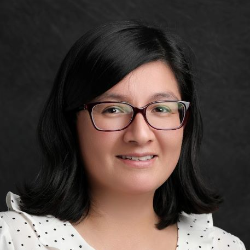 Karen Gallegos, PhD, Senior Scientist, Cell Based Sciences, Merck
Senior Scientist
Merck & CoDr. Karen Gallegos is a Senior Scientist in Cell-Based Sciences - Potency, Analytical R&D at Merck, bringing over a decade of hands-on research experience spanning microbiology, virology, cancer biology and molecular diagnostics. She earned her Ph.D. in Molecular Genetics, Microbiology and Biochemistry and completed multiple postdoctoral appointments focused on diagnostic assay development and preclinical drug evaluation; her work includes a granted U.S. patent for an influenza diagnostic and authorship on numerous peer-reviewed publications. Dr. Gallegos leads development of cell-based potency and immunoassays, supports potency strategy for bispecific Fc-fusion programs, and applies orthogonal analytical methods to resolve structure–function relationships. She also has a strong record in assay transfer and regulatory support, mentoring trainees, and presenting research at national and international meetings.
 Bruno Adonai Gonzalez Nolasco, Principal Scientist, Early Development Services, R&D Immunology, Lonza
Principal Scientist
LonzaBruno Nolasco earned his MD from the National Autonomous University of Mexico and completed a post-doctoral fellowship at the Massachusetts General Hospital’s Center for Transplantation Sciences, where he studied mechanisms of allograft rejection and tolerance. He later joined Flagship Pioneering’s Generate Biomedicines, contributing to the development of the company’s pre-clinical immunogenicity risk assessment workflows. In 2024, he joined Lonza as part of the Immunology group, where he now supports the pre-clinical developability and immuno-safety portfolio within the Early Development Services division in Cambridge, Massachusetts. The Immunology group works across multiple business units to advance immunology programs for therapeutic proteins/peptides, mRNA therapies, vaccines, and cell & gene therapies. The team also provides support for regulatory filings, including the design and execution of studies for IND and ANDA submissions.
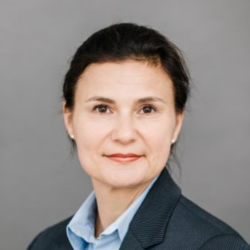 Joanna Grudzinska-Goebel, PhD, Sr Project Lead & Immunogenicity Expert, DMPK, Bayer AG
Sr Project Lead & Immunogenicity Expert
Bayer AGJoanna Grudzinska-Goebel is an Immunogenicity Expert at Bayer AG, where she guides project teams in conducting Immunogenicity Risk Assessments for biotherapeutics incl. peptides and new modalities, and communicating their outcomes to health authorities. Beyond her role at Bayer, Dr. Grudzinska-Goebel currently leads the Immunogenicity Risk Assessment Working Group of the European Immunogenicity Platform (EIP) facilitating cross-industry alignment and collaboration on this topic. She also actively contributes to immunogenicity focused working groups at the IQ Consortium and the AAPS.
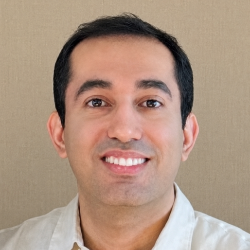 Mojtaba Haghighatlari, PhD, Senior Principal Machine Learning Scientist, Pfizer Inc.
Senior Principal ML Scientist
PfizerMojtaba is a senior principal machine learning (ML) scientist at Pfizer, conducting data-driven research in life sciences. Prior to Pfizer, he developed ML models and Python libraries at the University of California, Berkeley, and SUNY Buffalo with a focus on computational chemistry and protein engineering. His research interests include developing ML solutions to accelerate virtual screening of molecules, ab initio molecular dynamics simulation, and biotherapeutic discovery. Mojtaba received software fellowship from the Molecular Sciences Software Institute in 2018. His heart is always with open-source software solutions and FAIR data for molecular science research.
 Robert Hamilton, PhD, Professor, Medicine & Pathology, Clinical Immunology & Allergy, Johns Hopkins University
Prof Medicine & Pathology
Johns Hopkins UnivRobert G. Hamilton, Ph.D., D.ABMLI is a professor of medicine and pathology and Director of the Dermatology, Allergy, and Clinical Immunology Reference Laboratory at the Johns Hopkins University School of Medicine. He teaches, performs research, and directs a federally licensed clinical immunology laboratory that specializes in the diagnosis of Type-1 hypersensitivity reactions in humans. Over the past 38 years at Johns Hopkins, he has published over 250 peer-reviewed original papers and review articles and 36 chapters in textbooks on the topic of the diagnosis and management of human allergic disease. For the past 15 years, he has served as coordinator for the College of American Pathologist’s Diagnostic Allergy Inter-laboratory Proficiency Survey which monitors ~150 North American laboratories performing diagnostic allergy testing.
 Timothy Hickling, PhD, Consultant, Quasor Ltd; CSO, Open Immune
Independent Immunogenicity Expert
QuasorTim has 15 years’ experience contributing to immunogenicity risk and mitigation strategies for large molecules and advanced therapies at Roche and Pfizer, from early discovery projects to those in clinical development and post-marketing. During the last ten years he has contributed immunology expertise to the development of an in silico immunogenicity model, with the purpose of improving predictions of clinical immunogenicity for drug candidates. Tim previously worked on vaccine development and holds a PhD in Immunology from the University of Oxford.
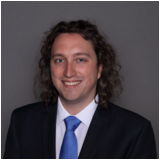 Andrew Isidoridy, Immunology Sales Specialist, Sales, ProImmune Ltd.
Immunology Sales Specialist
ProImmune Ltd.Andrew earned his PhD in molecular biology from the University at Albany under the direction of Professor Robert Osuna, identifying and characterizing post translational modifications of the transcription factor DksA in E. coli. He joined ProImmune in 2019 after completing his doctorate and currently works on providing innovative solutions for clients that deeply improve our understanding of both desired and unwanted immune responses.
 Wojciech Jankowski, PhD, Commissioner’s Fellow, CBER, FDA
Commissioners Fellow & Biologist
FDA CBERDr. Jankowski is a research reviewer with the US Food and Drug Administration in the Office of Tissues and Advanced Therapies. He is part of an active research laboratory and his research interests lie in the regulatory-science associated with the licensure of the next generation of therapeutic proteins. A key focus of his research activities has been to understand the immune response to protein therapeutics, which can significantly affect the efficacy and safety of these drugs. He uses a combination of computational, in vitro and ex vivo approaches in his work. Dr. Jankowski received his Ph.D. from Rutgers University, NJ and was subsequently selected for the highly competitive Commissioner’s Fellowship program at the FDA. His research has been published in high impact journals such as Nature and Nature Chemical Biology.
 Vibha Jawa, PhD, CSO, Epivax Inc.
Chief Scientific Officer
Epivax Inc.Vibha brings more than 20+ years of experience in supporting biologics, vaccine development, and gene therapy with contributions to multiple IND, BLA, and MAA filings. She is a recognized leader in the area of Bioanalysis and Immunogenicity with more than 50 peer-reviewed publications. In her current role as an Executive Director for Biotherapeutics Bioanalysis at Bristol Myers Squibb, Vibha is responsible for leading biotherapeutic and cell therapy bioanalytical (BA) functions.
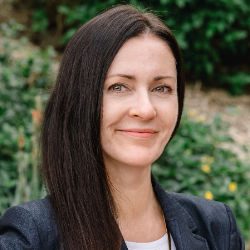 Marisa Joubert, PhD, Executive Director, Amgen
Executive Director
Amgen IncMarisa Joubert is an Executive Director of the Pre-pivotal Biologics Attributes Sciences team in the department of Process Development at Amgen Inc. (Thousand Oaks, CA). She oversees teams that support the advancement of Pre-pivotal assets during Molecule Assessment, FIH Development, Large Molecule Release Testing, Attribute Characterization, and Attribute Impact. She has been at Amgen since 2008 as a pharmaceutical scientist in drug product development. Prior to joining Amgen, she was a Senior Researcher at the Council for Scientific and Industrial Research in Pretoria, South Africa, where she evaluated novel therapeutic agents for treating HIV-1. She received her PhD from the University of California, Los Angeles, in Biochemistry and Molecular Biology.
 Lynn Kamen, PhD, Scientific Officer, Executive Director, BioAgilytix
Scientific Officer
Bioagilytix LabsLynn Kamen is a Scientific Officer at BioAgilytix. She earned her PhD in Immunology at the University of Michigan and completed a postdoctoral fellowship in immunology at the University of California, San Francisco. Lynn has over a decade of experience working in drug development, from early target discovery through clinical development for both large and small molecules at several companies including Portola Pharmaceuticals, and Alector. More recently, Lynn was a principal scientist at Genentech where she supported the in vitro biological characterization of large molecules and lead the development of immunogenicity assays including ADA, NAb and immunogenicity risk ranking assays. She is co-lead of the AAPS NAber working group and member of the AAPS NAb drug tolerance sub-team.
 Natalia Kozhemyakina, PhD, Head, Bioassay Department, JSC Biocad
Head
JSC BiocadPhD. Head of Bioassay Department at Biocad, Russian Leading Innovative Biotechnology Company. The department is responsible for selection the bioassay strategies and development, validation and transfer bioassays including potency assays in support of drug development pipeline.
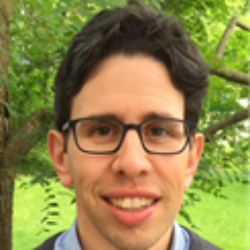 Daniel LaGasse, PhD, Research Regulator, CBER, FDA
Research Regulator
FDA CBERDaniel Lagassé conducts research and CMC review as a Biologist in the Division of Plasma Protein Therapeutics within the Center of Biologics Evaluation and Research at the U.S. Food and Drug Administration. Dr. Lagassé received his PhD in Molecular Microbiology and Immunology from Johns Hopkins Bloomberg School of Public Health.
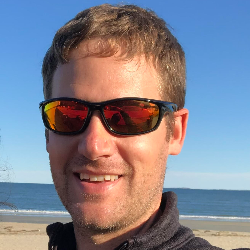 Daniel Leventhal, PhD, Principal Consultant, Tactyl
Principal Consultant
TactylDaniel Leventhal, Ph.D. has over 6 years of experience working at the intersection of immunology and machine learning to predict and mitigate unwanted immunogenicity. Daniel has led teams at Xaira Therapeutics and Generate Biomedicines developing machine learning models and experimental systems to understand and control key immunological processes underpinning the immunogenicity of biotherapeutics. Prior to entering the immunogenicity field, he worked in immune oncology, advancing T-cell receptor therapies and immune-engineered bacteria for cancer treatment. Daniel holds a Ph.D. in Cancer Biology and an M.S. in Translational Sciences from the University of Chicago, where he studied tumor-associated regulatory T-cell development and antigen specificity.
 Linlin Luo, PhD, Senior Director, Regulated Bioanalytics, Merck
Senior Director
Merck & Co.Linlin Luo has worked in the Pharmaceutical Industry for about 16 years, focusing in the area of regulated bioanalytical testing of biologic therapeutics. She has been contributing to pharmacokinetic (PK), immunogenicity (IMG), and neutralizing antibody (NAb) assay development and validation, in support of numerous preclinical and clinical studies for many critical programs, such as Winrevair, Keytruda, Opdivo and Yervoy. Linlin is currently a Sr. Director in the Regulated Bioanalytical Group of Merck, leading a team of scientists responsible for developing bioanalytical assays to support Merck's pipeline.
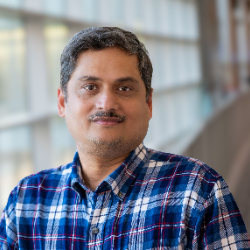 Mohanraj Manangeeswaran, PhD, Senior Research Scientist, CDER, FDA
Senior Research Scientist
CDER, FDADr. Manangeeswaran is currently a Senior Research Scientist at the United States Food and Drug Administration and has more than 20 years of research experience in the areas of infectious disease and immunology and over 12 years regulatory experience in dealing with product quality and immunogenicity assessments of therapeutic proteins and complex peptide drugs. Dr. Manangeeswaran received his Ph.D from the University of Madras, India and completed his joint post-doctoral fellowship with Boston Children’s Hospital (Harvard Medical School) and FDA. He currently serves as Subject Matter Expert in FDA working groups facilitating the development of guidance documents and FDA policy related to immunogenicity risk assessment and potency of anti-viral therapeutics. Dr. Manangeeswaran has extensive experience in the development and validation of bioassays needed to monitor and control process and product related impurities in peptide drug products and he has received multiple awards from FDA recognizing his research and regulatory excellence. He is a peer reviewer for intramural and extramural grants, scientific reviewer for reputed scientific journals and has represented FDA in multiple research and regulatory workshops.
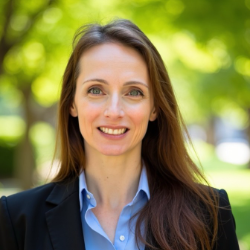 Ronit Mazor, PhD, Principal Investigator, CBER, FDA
Principal Investigator
FDA CBERDr. Ronit Mazor is a Principal Investigator and Lab Chief in the Gene Transfer Immunogenicity Branch at the Center for Biologics Evaluation and Research (CBER), U.S. Food and Drug Administration (FDA), where she leads a multi-disciplinary research team focused on evaluating and mitigating immunogenicity of gene therapy products. She serves as a primary CMC reviewer and BLA chair for first-in-class gene therapy products. Dr. Mazor's scientific contributions include high-impact publications, patents, and several FDA awards including the prestigious CBER Center Director Awards. Her research encompasses T cell immunology, algorithm-based HLA binding predictions, investigation of sex-based immunological differences in gene therapy outcomes, and development of tolerogenic approaches to enhance therapeutic efficacy. Prior to joining FDA, she conducted research at the National Cancer Institute developing immune tolerance strategies for cancer immunotoxins and served as a Research Lead at AstraZeneca focusing on immunogenicity prediction for therapeutic proteins. Dr. Mazor holds a Ph.D. in Molecular Immunology from Tel Aviv University through the NIH Graduate Partnership Program and completed her postdoctoral training at the National Cancer Institute.
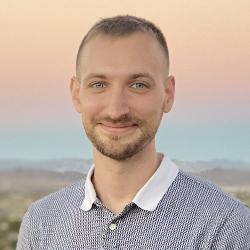 Sean McAfee, Senior Scientist, Regeneron Pharmaceuticals Inc.
Senior Scientist
Regeneron Pharmaceuticals IncSean McAfee is a Senior Scientist at Regeneron in the Assay Development group within the Bioanalytical Sciences department. He brings over nine years of experience developing ligand binding assays, including pharmacokinetic, biomarker, and immunogenicity assays, to support biotherapeutic programs spanning monoclonal antibodies, bispecific antibodies, and RNAi modalities. Sean received his BSE and MSE degrees in Bioengineering from the University of Pennsylvania.
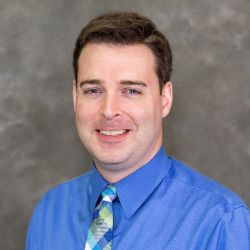 David McMillan, PhD, DABT, Master Toxicologist, CDER, FDA
Master Toxicologist
CDER, FDADavid McMillan, Ph.D., DABT, is a Master Toxicologist in the Division of Pharmacology/Toxicology for Infectious Diseases at FDA. Prior to FDA, Dr. McMillan received his Ph.D. in Toxicology from the University of Rochester in 2013 and completed a postdoctoral fellowship at the University of Vermont in 2015. His expertise lies primarily in immunology and immunotoxicology. Dr. McMillan is the former co-chair of the FDA CDER Immunotoxicology Subcommittee, the current Treasurer of the Society of Toxicology (SOT) Immunotoxicology Specialty Section, and is the invited speaker for the “Hematopoietic and Immune Systems Toxicology†presentation within the American College of Toxicology (ACT) Advanced Comprehensive Toxicology course. He is also a regular presenter at ACT and SOT meetings and is a member of the HESI Immuno-Safety Technical Committee.
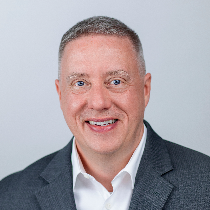 Jim McNally, PhD, CSO, Sword Bio
Chief Scientific Officer
Sword BioDr. McNally has an extensive background in bioanalytical assay development and program leadership spanning nearly 20 years working in the pharmaceutical and biotechnology industry.
Prior to joining Sword Bio, Dr. McNally was Chief Scientific Officer for BioAgilytix for 5 years leading scientific innovation and strategy. He has also previously held roles at Genzyme, Pfizer, EMD Serono, Shire and CRISPR Therapeutics which have given him broad experience in the development of large molecule, gene therapy, and cell therapy biotherapeutics. Dr. McNally is a recognized thought leader in the development and application of bioanalytical methods used in regulatory submissions and is specifically skilled in progression of biotherapeutics from research through clinical development. He has a special interest in the immunogenicity of biotherapeutics and leads an industry-wide working group to address this issue. A key part of his role at BioAgilytix is advising on emerging scientific developments and providing scientific and regulatory guidance. Dr. McNally obtained his B.S. in Biology from Mississippi State University, his Ph.D. Viral Immunology from Louisiana State University School of Medicine in Shreveport, and his Post-Doc in Viral Immunology from University of Massachusetts Medical School.
 Sarah Moniz, Director, Business Development & Marketing, EpiVax Inc.
Director, Business Development & Marketing
EpiVax Inc.Sarah Moniz is Director of Business Development and Marketing at EpiVax, where she leads the company’s commercial strategy and customer engagement efforts.
With nearly nine years at EpiVax, Sarah brings deep institutional knowledge of the company’s technologies and services. She has developed a strong understanding of customer needs in her work supporting the translation of the company’s scientific expertise in integrating computational analysis and in vitro assessment applications across the product lifecycle into impactful solutions for global pharmaceutical and biotech organizations in therapeutic and vaccine development.
In her role, Sarah partners closely with EpiVax’s scientific, technical, and executive leadership to shape go-to-market strategy, launch new services, and build long-term customer partnerships. Sarah’s team oversees business development, marketing, sales, account management, and revenue operations, ensuring a cohesive and effective commercial experience from first engagement through ongoing collaboration and supporting EpiVax’s mission to deliver innovative, reliable solutions that accelerate and de-risk therapeutic and vaccine development.
 Paul Moore, PhD, CSO, Zymeworks
CSO
Zymeworks Inc, IncOver 20 years of experience working in biotech, coordinating efforts focused on the discovery and development of novel biologic-based therapies. I began my biotechnology career at Human Genome Sciences, where directed genomic-based target discovery programs and the preclinical development of various protein and mAb-based therapeutics for the treatment of cancer, metabolic, and autoimmune diseases. Notably, these efforts led to the discovery of BLyS as a B-cell survival factor providing the basis for the development of Benlysta for the treatment for lupus. At MacroGenics, leads a research group dedicated to the discovery, preclinical development, and clinical translational biology of antibody-based therapeutics including Fc-optimized mAbs and bispecifics for cancer or autoimmune disease through harnessing of the host immune system. Obtained PhD from University of Glasgow and performed post-doctoral work at the Roche Institute of Molecular Biology; co-authored over 70 peer-reviewed manuscripts and 40 issued US patents.
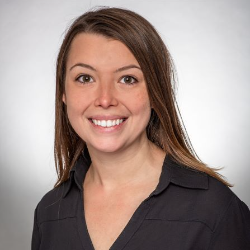 Ashley Moore, PhD, Research Scientist II, Discovery Biology, Alexion
Research Scientist II
AlexionAshley (Arthur) Moore is a cell biologist with expertise in assay development and biologics research. Currently, Ashley works in Discovery Biology as Scientist II at Alexion, where she is pivotal in derisking new biologics and advancing therapeutics through key development stages. She is also working to develop new therapeutic candidates using targeted immune checkpoints. Before working for Alexion, Ashley worked at Abcam developing and validating antibodies against difficult targets. Ashley obtained her Ph.D. at the University of Minnesota, Genetics, Cell Biology and Development working in cell migration and did a postdoctoral fellowship at Yale University studying neuronal polarity.
 Johanna Mora, PhD, Executive Director, Bioanalytical Sciences, Biohaven
Executive Director
BiohavenJohanna R. Mora is a senior biopharmaceutical executive and scientific leader with more than 18 years of experience advancing complex drug development programs across biologics, antibody-drug conjugates, fusion proteins, oligonucleotide conjugates, and cell therapies. She currently serves as Executive Director of Bioanalytical Sciences at Biohaven, where she provides strategic oversight for the entire portfolio from Discovery through life-cycle-management. Over the course of her career, she has built deep expertise in immunogenicity, PK, bioanalytical assay development, and risk-based regulatory strategy, helping teams navigate critical development decisions and health authority interactions.
Dr. Mora earned her PhD in Chemistry from the University of Kansas and her BSc in Chemistry from the University of Costa Rica. Prior to Biohaven, she worked at Bristol Myers Squibb, where she progressed through a series of increasingly senior leadership roles, shaping enterprise-wide approaches to bioanalysis and immunogenicity for novel therapeutics. Her contributions include supporting major regulatory submissions, influencing FDA-endorsed strategy changes, and guiding the implementation of new technologies and global operating frameworks. In addition to her industry leadership, she is an accomplished author and frequent contributor to the scientific community, with numerous peer-reviewed publications and longstanding service with professional organizations including AAPS and APA. Her work reflects a sustained commitment to scientific excellence, cross-functional collaboration, and the advancement of innovative therapies for patients.
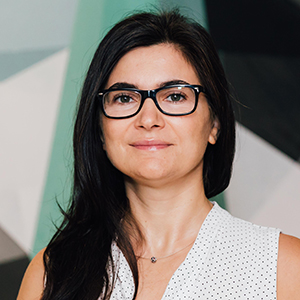 Nellie Moshkovich, PhD, Assoc Dir, Clinical Pharmacology, AstraZeneca
Assoc Dir
AstraZenecaNellie Moshkovich, PhD, is an Associate Director in Regulatory Bioanalysis at AstraZeneca, where she leads ADA and NAb assay development, validation, and bioanalysis across multiple therapeutic modalities. She specializes in immunogenicity assessment, regulated bioanalytical strategy, external partner oversight, and the interpretation of bioanalytical data supporting clinical development and regulatory submissions. Dr. Moshkovich has more than 25 years of experience in bioanalysis, molecular and cell biology, and cancer research. She has published extensively in the fields of immunogenicity, epigenetics, chromatin biology, and breast cancer biology. She earned her PhD in Molecular and Cell Biology from the University of Maryland, College Park.
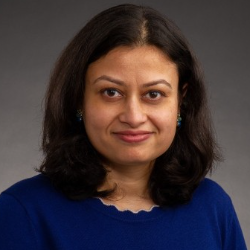 Kamalika Mukherjee, PhD, Principal Scientist, Bioanalytical Strategy, Regeneron Pharmaceuticals Inc.
Principal Scientist
Regeneron Pharmaceuticals IncKamalika Mukherjee is a Principal Scientist in the Bioanalytical Strategy Group at Regeneron Pharmaceuticals Inc. where she serves as the Principal Investigator supporting the bioanalysis of PK, ADA, and biomarker samples for clinical studies in oncology. Kamalika received her PhD in Pharmaceutical Sciences from University of Kentucky, Lexington followed by post-doctoral fellowships focusing on Pharmacology in varied therapeutic areas. Before joining Regeneron, Kamalika worked as a Scientist in Pharmaceutical Sciences at St. Jude Children’s Research Hospital.
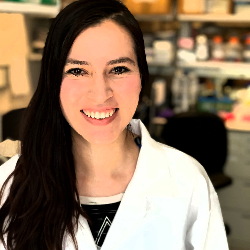 Susana Najera, ORISE Fellow, Office of Therapeutic Products, Gene Transfer and Immunogenicity Branch, CBER, FDA
ORISE Fellow Ofc of Therapeutic Products
FDASusana Najera is an ORISE fellow in the Office of Therapeutic Products under the Gene Therapy and Immunogenicity Branch at the U.S. Food and Drug Administration. During her ORISE fellowship at the FDA, Najera has collaborated on three independent research projects aimed at developing safer and more efficacious therapies for patients. Najera’s research focuses on identifying immunogenic epitopes found on viral vectors and transgenes, developing novel biopotency assays for AAV, and characterizing 3D cultures for viral gene delivery. Najera holds a dual master's degree in science in regenerative medicine and stem cells and molecular targets and drug discovery from Johns Hopkins University. Susana serves as an active member of the Board of Directors at Mansfield Kaseman Health Clinic.
 Kannan Natarajan, PhD, Senior Associate Scientist, NIAID, NIH
Senior Associate Scientist
NIAID, NIHDr Kannan Natarajan obtained his Ph.D. in Immunology from India and trained as a postdoctoral fellow at the Biozentrum, University of Basel, Switzerland, and at the University of Rochester, New York. Following a 2-year stint on the faculty of the Forsyth Research Institute in Boston, he joined the Laboratory of Immunology at the NIAID/NIH. Kannan’s research interests are the structural basis of ligand recognition by receptors of the immune system, especially receptors found on T cells and natural killer cells, and the molecular aspects of antigen presentation.
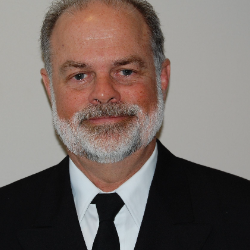 Michael Norcross, MD, Medical Officer, CDER, FDA
Medical Officer
FDAMichael Norcross, M.D., earned his medical degree and completed pathology training at the University of Florida College of Medicine, followed by a fellowship in the Laboratory of Immunology at NIAID, where he studied major histocompatibility complex (MHC) proteins. At the FDA, he contributed to HIV/AIDS research, including HIV long terminal repeat (LTR) regulation, primary HIV resistance to neutralizing antibodies, and chemokine function. His current research focuses on drug immunogenicity and hypersensitivity reactions, examining HLA molecule structure and function, T cell receptor activation, and antigen presentation of drug-altered neoantigens. He has also developed HLA-transgenic animal models to investigate T cell responses to drugs and host regulatory factors in vivo.
 Sofie Pattyn, CTO, IQVIA Laboratories
CTO
IQVIA LaboratoriesSofie Pattyn, Ph.D. is the Chief Technology Officer of IQVIA Laboratories In Vitro Immunology lab in Gosselies, Belgium, where she provides scientific and technical leadership for advanced laboratory capabilities supporting drug discovery and development. She was a cofounder of ImmunXperts and brings more than 25 years of experience in immunogenicity and in vitro assay development. She works at the intersection of immunology, bioanalysis and innovative laboratory technologies, helping advance translational research and therapeutic development.
 Caryn Picarillo, Principal Research Scientist, Bristol- Myers Squibb
Principal Research Scientist
Bristol Myers Squibb CoCaryn Picarillo is a senior bench scientist with over 27 years of experience specializing in cell-based assays and flow cytometry. She has extensive expertise in designing and executing complex cellular assays, with a focus on multiparametric flow cytometry and cellular phenotyping to support research in immunology, oncology and translational science. Throughout her career, Caryn has contributed to the advancement of numerous research programs through her strength in assay development, optimization, and troubleshooting. She is highly skilled in multicolor panel design, data analysis, and generating reproducible, high-quality datasets that inform critical scientific decisions. Known for her technical rigor and collaborative approach, Caryn has worked across multidisciplinary teams and has played a key role in advancing projects from early discovery through development milestones. She also brings a strong commitment to mentoring and fostering excellence in the laboratory environment.
 Montserrat Puig, PhD, Senior Principal Scientist, Merck
Senior Principal Scientist
MerckDr. Montserrat Puig earned her PhD in Microbiology from the University of Barcelona and subsequently moved to the U.S. for postdoctoral studies at the Food and Drug Administration. There, she developed immunization strategies to combat HCV infections and to enhance innate immunity against Leishmania. Later, as a Lead Biologist, she focused on assessing the immunogenicity of therapeutic products and immune-mediated drug hypersensitivity reactions. Dr. Puig also took on review responsibilities to help bring new drugs and biologics to patients faster and more safely. She has served on various Agency and Center-wide committees addressing complex scientific and regulatory issues to support multidisciplinary teams in advancing regulatory policy. Recently, Dr. Puig has joined Merck as a Senior Principal Scientist.
 Lakshmi Raj, PhD, Senior Principal Scientist, Novartis Pharma AG
Senior Principal Scientist
Novartis Pharma AGWith over ten years of industry experience in preclinical models associated with biotherapeutics, cell and gene therapy, and siRNA therapeutics. Compiled and designed pharmacological bioassays with primary immune cells and patient-derived primary cells to predict preclinical immunogenicity and potential first-in-human (FIH) immunogenicity risks associated with complex drug modalities.
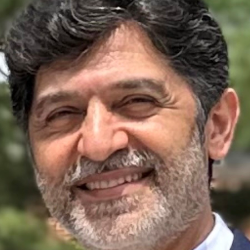 Mohsen Rajabi Abhari, PhD, Director, Scientific Governance PK Sciences Drug Disposition, Novartis
Director, PK Sciences Governance
NovartisMohsen Rajabi is the Scientific Director in the Translational Medicine, Pharmacokinetic Sciences Group at Novartis. Before joining Novartis, Mohsen worked at the FDA where he provided scientific expertise on clinical pharmacology and immunogenicity issues related to biosimilar and therapeutic biologics. He led collaborative initiatives to develop and establish clinical pharmacology and immunogenicity guidance and policies. Mohsen also conducted inspection of bioanalytical and clinical studies in support of regulatory submissions. Mohsen received his Ph.D. in Peptide Chemistry from the Department of Chemistry and Biochemistry, University of Maryland. He researched the role of defensins in innate and adaptive immune responses to microbial infection. This work was the basis of several publication about the multifaceted biological activity of defensins.
 Susan Richards, PhD, FAAPS, Immunogenicity Consultant, Biopharma Immunogenicity Consulting LLC
Immunogenicity Consultant
Biopharma Immunogenicity Consulting LLCSue Richards has a record of sustained contributions to the biopharmaceutical sciences with over 30 years’ experience in the biotechnology/biopharmaceutical industry. Dr. Richards currently is Principal and immunogenicity consultant at Biopharma Immunogenicity Consulting LLC. Previously she was a member of Translational Medicine and Early Development in Sanofi R&D where she contributed as global scientific expert in immunogenicity. She also was the Head of the Clinical Laboratory Sciences Department in Sanofi/Genzyme Biologics R&D, responsible for Clinical Assay Development, Clinical Specialty Lab and Investigative Clinical Immunology. The department supported assay development and bioanalysis of PK, biomarkers and immunogenicity of biologics in clinical development and post approval for replacement enzymes, monoclonal antibodies, fusion proteins and gene therapy programs. Dr. Richards has contributed to the approval of 15 biologic drugs. Her research interests included immune tolerance induction (ITI) for replacement enzymes, and her lab pioneered nonclinical studies for prophylactic use of short-term methotrexate for ITI. She is an active member and Fellow of the American Association of Pharmaceutical Scientists.
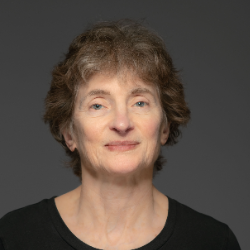 Amy Rosenberg, MD, Senior Director, Bioanalytical Sciences, Regeneron Pharmaceuticals
Senior Director
Regeneron Pharmaceuticals, Inc.Amy Rosenberg is a physician-immunologist who, for 33 years regulated biologics including cellular and protein therapeutics and cell-device combination products at FDA. She had oversight over the approval of numerous protein therapeutic products. She recently moved to EpiVax, Inc as Senior Director of Immunology and Protein Therapeutics. During her time at FDA, she served as FDA consultant to the NIAID Immune Tolerance Network Steering Committee and was FDA representative to the ABIRISK Consortium. She is the principal author of “Guidance for Industry: Immunogenicity Assessment for Therapeutic Protein Products,†published in 2014.
 Sumona Sarkar, PhD, Biomedical Engineer, Biosystems and Biomaterials Division, Biomaterials Group, National Institute of Standards and Technology
Biomedical Engineer
NISTSumona Sarkar is a Biomedical Engineer at the National Institute of Standards and Technology in Gaithersburg MD. She has been at NIST for 8 years with a focus on cell material interactions for tissue engineering and regenerative medicine, and analytical methods for cell and gene therapy. She serves as a subject matter expert and project leader in ISO TC 276: Biotechnology with particular expertise in cell count, viability, and characterization. Prior to joining NIST Sumona received her Ph.D in biomedical engineering from Drexel University, and her M.S. from Boston University.
 Zuben Sauna, PhD, Director, Division of Hemostasis, CBER, FDA
Director
FDA CBERZuben E. Sauna is a Principal Investigator and also the Director, Division of Hemostasis at the Center for Biologics Evaluation and Research of the US Food and Drug Administration. His research interests lie in understanding the pharmacogenetic basis of the immune response to proteins used in therapeutic interventions as these affect efficacy and safety. His laboratory exploits a combination of computational, in vitro and ex vivo approaches to understand why some individuals and/or sub-populations develop immune responses while others do not. Work from his laboratory has been published in high impact journals such as Nature Biotechnology, Nature Medicine, Science, Science Translational Medicine and Nature Reviews Genetics. He received his Ph.D. from Poona University, India with subsequent training at the National Cancer Institute, Bethesda, USA.
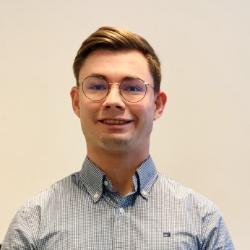 Michel Siegel, PhD, Applied ImmunoSafety Scientist, Pathology and Safety Sciences (PASS), pRed, Roche
Senior Scientist
RocheMichel Siegel is a Senior Scientist at Roche Pharma Research and Early Development (pRED), specializing in the immunogenicity of biotherapeutics. His research focuses on developing innovative ex vivo assays to evaluate and mitigate immune-related liabilities in drug development. By integrating data, Michel delivers the critical insights necessary to identify and de-risk immunogenic liabilities during the earliest stages of drug design.
Michel Siegel is a Scientist at Roche Pharma Research and Early Development (pRED), where he specializes in the immunogenicity of biotherapeutics. His work focuses on the development of advanced in vitro and ex vivo assays designed to predict and mitigate the immune-related risks of novel protein drugs. By investigating the mechanisms of dendritic cell activation and T-cell restimulation, Michel provides critical insights that allow for the early identification of immunogenic liabilities.
 Gabriella Spitz-Becker, PhD, Principal Scientist, Bristol Myers Squibb
Principal Scientist
Bristol Myers Squibb CoDr. Gabriella Spitz-Becker is a Principal Scientist at Bristol Myers Squibb, where she leads a team of scientists responsible for both developing potency methods and executing GMP QC testing for biologics. She earned her Ph.D. from The Rockefeller University, where her research focused on intercellular communication. Since joining BMS, she has taken on roles of increasing responsibility, applying her expertise in biological systems to the development and execution of robust potency assays that support the quality and safety of biologic therapies.
 Lauren Stevenson, PhD, CSO & Head, Translational Sciences, Immunologix Labs
CSO & Head
Immunologix LabsLauren is currently Chief Scientific Officer at Immunologix Laboratories where she also co-founded and leads the Translational Sciences organization. Prior to joining Immunologix in 2019, Lauren accrued 20+ years of drug development experience in small and large biotech and pharma where her teams were responsible for developing bioanalytical and biomarker strategies and execution thereof in support of a diverse portfolio of therapeutics spanning all stages of drug development from late research to post-market. Lauren is a globally recognized thought leader in large molecule bioanalysis and biomarkers who has authored multiple white papers and frequently presents at national and international conferences. In addition to her scientific interests, Lauren is equally passionate about strengths-based people development and fostering a culture of collaboration and interdependence that leads to collective success.
 Smanla Tundup, PhD, Director, R&D, Eli Lilly and Company
Director
Eli Lilly & CoSmanla Tundup is a scientist at Eli Lilly and Company leading preclinical immunogenicity (IG) risk assessment, with a foundation in immunology and clinical immunogenicity. Smanla’s expertise centers on drug–antigen-presenting cell (APC) interactions, with a growing focus on IG risk assessment for emerging modalities including lipid nanoparticles (LNP) and antibody–receptor conjugates (ARC). Smanla applies mechanistic immunological insight to evaluate and mitigate immunogenic risk across the drug development pipeline, bridging foundational science with translational strategies that support safer therapeutic development.
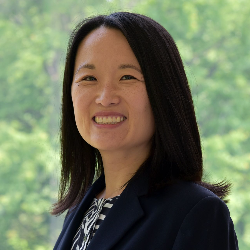 Jenny Valentine, PhD, Senior Principal Scientist, Bioanalytical Sciences, Regeneron
Sr Principal Scientist
RegeneronJenny Valentine currently works in the Bioanalytical Strategy Group at Regeneron, where she leads bioanalytical strategy for multiple clinical programs, primarily in oncology, that utilize both traditional and emerging drug modalities. She has ten years of experience in large molecule bioanalysis, with previous roles in immunogenicity assay development, validation, and sample testing. Jenny earned her Ph.D. in Chemistry from Yale University and is an active participant in several AAPS working groups.
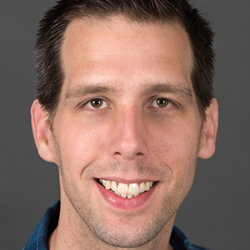 Simon van Haren, Assistant Professor of Pediatrics, Harvard Medical School
Assistant Professor of Pediatrics
Boston Childrens HospitalDr. Simon van Haren is an Assistant Professor of Pediatrics at Harvard Medical School, and a Principal Investigator in the Precision Vaccines Program at Boston Children’s Hospital. His research is focused on better understanding the molecular basis of age-specific immune responses to vaccines. Dr. van Haren’s lab specializes in the development of human in vitro models to effectively study differences with age in immune response to vaccination. Using their proprietary in vitro modeling platform, Dr. van Haren and his team have identified novel vaccine compositions with age-specific efficacy, have uncovered the molecular basis for differences in immunization efficacy between different cohorts, and have developed AI/ML-based in vitro data integration approaches that can effectively predict efficacy of candidate vaccines in vivo.
 Faye Vazvaei, Executive Director, Merck
Executive Director
Merck & Co IncFaye is currently Executive Director of the Regulated PK&ADA Bioanalysis Group of Merck Research Laboratories, West Point, PA, USA. In this role, Faye is responsible for the strategic and scientific oversight for method development, validation, and implementation of regulated bioanalytical assays to support quantification of drugs and metabolites as well as bioanalytical characterization of anti-drug antibodies, supporting a diversity of modalities including small molecules, peptides, and biologics utilizing chromatographic-mass spectrometry and ligand binding assays. Prior to joining Merck in April 2019, Faye was with Roche for seventeen years and held several positions, rising from Lab Head to Global Head of Bioanalytical Outsourcing, and Bioanalytical Oncology Group Head in the Department of Clinical Pharmacology and Bioanalytical R&D. Faye is highly engaged within the global bioanalytical community through various organizations including AAPS and IQ. She also serves on the International Council of Harmonization Bioanalytical Method Validation and Sample Analysis (ICH M10) Expert Working Group as the BIO organization representative.
 Daniela Verthelyi, MD, PhD, Independent Consultant, Think Immunogenicity
Independent Consultant
Think ImmunogenicityDaniela Verthelyi is an immunogenicity consultant with over 25 years of experience in applying bench science to regulation at FDA. As Division Director in the Office of Pharmaceutical Quality Research, she oversaw multiple research and assessor teams reviewing product quality and immunogenicity risk for INDs, NDA, ANDA and BLA submissions and contributed to innovative policies and guidance in immunogenicity risk assessments. Her team of research-reviewers developed new methods, models, and strategies to understand the role of product and process related impurities on product immunogenicity, as well as animal models to assess the safety and efficacy of innate immune response modulators and other therapeutics to respond to infectious diseases. She has authored over 130 peer-reviewed articles, is an inventor in 11 patents, and contributed to over 20 FDA Guidance for Industry documents. In 2026 Daniela left the FDA to work as a consultant on issues of immunogenicity risk assessment, mitigation, and policy as well as on approaches that leverage immune modulators in the development of safe and effective therapeutics.
 Steven Walfish, Principal CMC Statistician, Iovance Biotherapeutics
Principal CMC Statistician
Iovance BiotherapeuticsMr. Walfish is Principal Science & Standards Liaison at United States Pharmacopeia (USP) responsible for the Statistics Expert Committee. Prior to this role Mr. Walfish was Principal Statistician at Becton Dickinson in Franklin Lakes, NJ responsible for supporting continuous improvement efforts and process development for worldwide operations. Mr. Walfish has held roles at GE Healthcare, Human Genome Sciences and Chiron. Steven was President of Statistical Outsourcing Services, a consulting company that provides statistical analysis and training to the FDA regulated industries. Mr. Walfish brings over 30 years of industrial expertise in the development and application of statistical methods for solving complex business issues. Steven has experience applying statistical methods to analytical method verification and validation and stability analysis. Mr. Walfish holds a Bachelors of Arts in Statistics from the University of Buffalo, Masters of Science in Statistics from Rutgers University and an Executive MBA from Boston University.
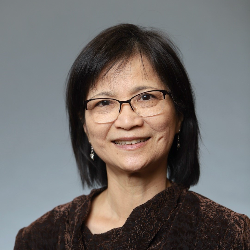 Yow-Ming Wang, PhD, Associate Director for Biosimilars and Therapeutic Biologics, CDER, FDA
Assoc Dir Biosimilars & Therapeutic Biologics
FDA CDERDr. Wang is the Associate Director for Biosimilars and Therapeutic Biologics in the Office of Clinical Pharmacology (OCP) at CDER, FDA. She leads the Therapeutic Biologics Program in the Immediate Office of OCP; the team has a mission to promote scientific and regulatory excellence in biologic product development through developing clear policies, enhancing review excellence, facilitating knowledge sharing, and building collaboration and outreach. Dr. Wang joined the FDA in March 2011 in the role of a team leader with a review focus on biologics. Prior to joining the FDA, she worked in the pharmaceutical industry for 18 years with experience in small molecules and large molecules. She received her PhD from The Ohio State University College of Pharmacy with a research focus on pharmacokinetics and biopharmaceutics.
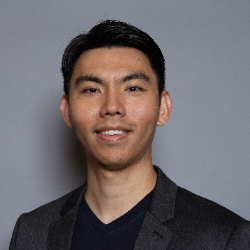 Liwei Wang, PhD, Senior Scientist, Cell Based Sciences, Merck
Sr Scientist
Merck & CoLiwei Wang is a Senior Scientist in Cell-Based Sciences at Merck. He earned his PhD in Pharmacology from the University of Rochester and completed postdoctoral training in Immunology at New York University. His research focused on using in vivo genetic screening to identify novel cell surface targets for cancer and autoimmune diseases, and on performing molecular and cellular investigations to elucidate mechanistic insights into these targets. His work has been published in Science Immunology, PNAS, and Journal of Immunology. Since joining Merck in 2024, Liwei’s role is to develop cell-based assays for pipeline molecule characterization and to lead a cross-functional team that assesses and mitigates product quality attribute–related immunogenicity risk of biologics at the preclinical stage.
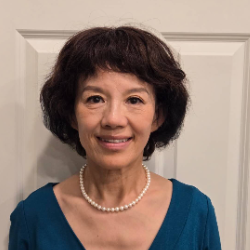 Yan Wang, PhD, Senior Director, Bioanalytical Development, Halozyme Therapeutics
Senior Director
Halozyme TherapeuticsYan Wang, Ph.D., is a bioanalytical and DMPK scientist with a strong background in small- and large-molecule drug development. She is Sr. Director of Bioanalytical Development at Halozyme in San Diego, where she leads bioanalytical strategy, CRO oversight, assay development and validation, and preparation of regulatory documentation. Her work includes guiding immunogenicity and PK strategies, managing operational plans, and ensuring scientific integrity across internal and partnered programs.
Before Halozyme, she was a DMPK Scientist IV at Dart Neuroscience, leading the bioanalytical group, developing LC-MS methods, supporting PK/TK studies, and contributing to clinical candidate selection and regulatory filings. She previously served as Principal Scientist in DMPK at Regulus Therapeutics, developing mass spectrometry, hybridization-ELISA, and fluorescence HPLC methods to quantify oligonucleotides and support PK, metabolism, and toxicity studies. Earlier in her career, she held scientific roles at Amylin Pharmaceuticals and Diversa Corporation, focusing on bioanalytical mass spectrometry, ligand-binding assays, and biomarker discovery.
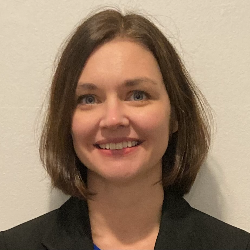 Erin West, PhD, Associate Scientist, Complement and Inflammation Research Section, NHLBI, NIH
Associate Scientist
NHLBI, NIHErin West is an Associate Scientist in the Complement and Inflammation Research Section of the National Heart, Lung, and Blood Institute (NHLBI) at the NIH. She earned her doctorate in Immunology from Emory University in 2011, where her research in Dr. Rafi Ahmed’s lab explored the mechanisms of T cell exhaustion and therapeutic strategies in chronic infection. Following her PhD, she completed postdoctoral training at the NIH, initiating her work on the complement system in collaboration with Dr. Claudia Kemper’s group. Dr. West’s current research sits at the interface of infection and complement biology, with a focus on delineating how systemic (liver-derived) and cell-intrinsic (intracellular, also known as the complosome) complement pathways shape immune cell responses during homeostasis, infection, and autoimmunity. Her work aims to uncover new insights into the regulatory roles of complement in immunity, with the goal of informing the development of novel therapeutic approaches.
 Stephanie Whipple, PhD, Associate Director, Sanofi Genzyme
Associate Director
Sanofi GenzymeStephanie Whipple, PhD is a Scientist at Sanofi in Biologics Analytical Development. She recently completed an industry postdoctoral tenure on her Sanofi BioAnalytics team, training in AAV gene therapy and biologics cell-based potency assays. Stephanie is engineering reporter cell lines for gene therapy potency assays and is very interested in AAV structure-function analyses. Before Sanofi, Stephanie completed her Bachelors in Biochemistry and Biology/Biotechnology from Worcester Polytechnic Institute. She obtained her PhD in Molecular Biology, Cell Biology and Biochemistry from Brown University, where she studied the molecular mechanisms of insulin/IGF signaling in the biology of aging.
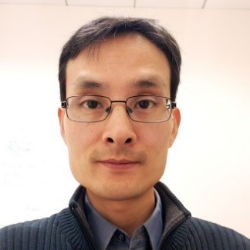 Weifeng Xu, PhD, Senior Scientific Director, Bioanalytical, Merck
Sr. Scientific Director
Merck Research LabsWeifeng is a Senior Scientific Director at Merck, heading the Scientific Strategy and Liaison team for Regulated Bioanalytics. He holds a Ph.D. from the Shanghai Institute of Biochemistry and Cell Biology and completed postdoctoral work at Weill Cornell Medical College. Recognized for his expertise in immunogenicity, especially neutralizing antibodies, he holds two patents, has multiple impactful publications, authored “Bioanalytical Aspects of Biotherapeutics,†and co-leads the AAPS NAb working group. A final winner for the 2025 Bioanalysis Outstanding Contribution Award, Weifeng played a key role in Capvaxive's approval and now leads bioanalytical strategies for ADCs and PDCs.
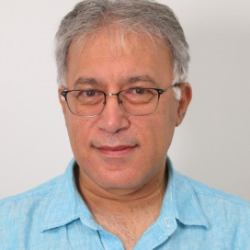 Khaled Yamout, Analytical Sciences, Quality and Manufacturing Consultant, Y-Chem Consulting LLC
Analytical Sciences, Quality and Manufacturing Consultant
Yamout Chem Consulting, LLCKhaled Yamout is a thought leader in Analytical Sciences, Quality and Manufacturing. Previously held a position as a Senior Director, Analytical Services and Quality Control at TriLink Biotechnologies where he oversaw the Analytical Sciences Center of Excellence and all analytical aspects of method development and validation to product release and stability to support regulatory filings for both small and large molecules. Prior to TriLink, Khaled held various positions in Quality Control, Research and Development, and Manufacturing where he supported several Drug substances and Drug products (both small molecules and biologics) from clinical phase to commercial. These include diverse experience and expertise ranging from discovery to manufacturing with Fortune 500 firms, as well as small entrepreneurial businesses in the areas of synthetic, analytical, colloidal, surface modification, protein, and antibody modification and purification covering both manufacturing and analytical testing and characterization.
 Zhaojun Yin, Senior Principal Scientist, BioAnalytical Sciences gRED Development Sciences, Genentech
Senior Principal Scientist
GenentechZhaojun Yin is a senior principal scientist at Genentech where he supports the in vitro biological characterization of large molecules and leads the development of immunogenicity assays including NAb strategy and immunogenicity risk ranking assays.